
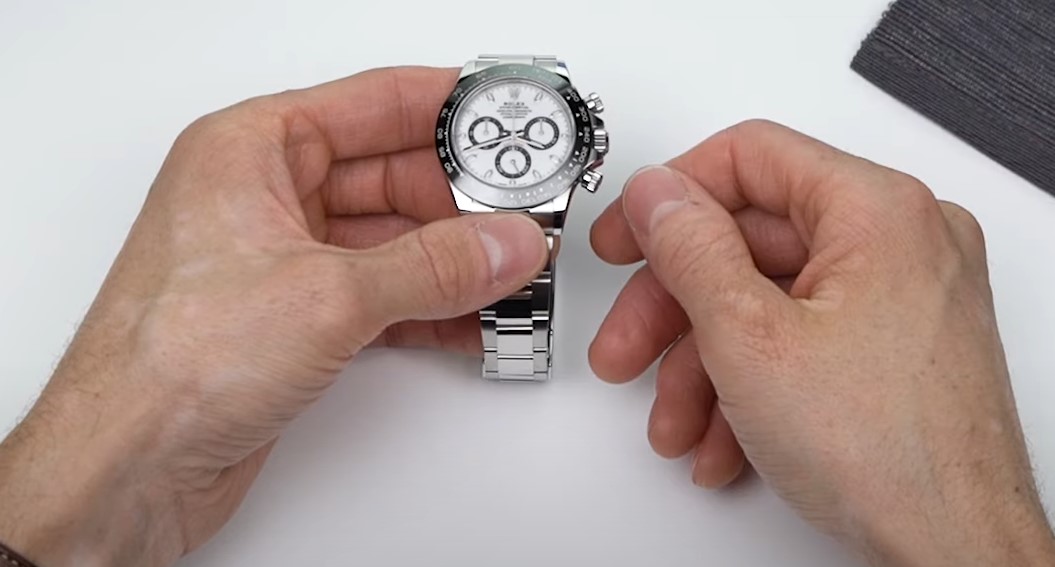
Are you curious about chronograph watches? These wristwatches are more than just a standard display watch, they’re a marvel of timekeeping engineering. A built-in stopwatch function allows you to track elapsed time with precision.
But what sets them apart? From their intricate complications to the rotating bezel, chronograph watches offer a unique blend of functionality and style.
Whether you’re a seasoned horologist or new to the world of watch movements, delving into the intricacies of chronographs promises to unveil a fascinating world of precision timekeeping. Let’s explore what makes these timepieces tick.
Understanding Chronograph Watches
The first chronograph, invented in 1816 by Louis Moinet, solidified his legacy as a pioneering watchmaker. His groundbreaking creation earned him the prestigious title of “World’s First Chronograph,” officially recognized by the Guinness World Records organization. Following Moinet’s innovation, Nicolas Mathieu Rieussec furthered the development of chronograph wristwatches.
In 1821, Rieussec introduced the first marketed chronograph under the patronage of King Louis XVIII. Initially designed to tell time accurately, modern chronographs have evolved to offer additional functionalities.
Today, they are commonly used to measure speed and distance traveled, making them indispensable tools for various activities. Tachymeters, featured on standard chronographs, facilitate these measurements with precision.
The journey of the chronograph from its inception to its modern iterations highlights the ingenuity and craftsmanship of watchmakers throughout history, cementing its status as an essential instrument for both horology enthusiasts and everyday users
How Does Chronograph Work?
If you are wondering how to use a chronograph watch, you are not alone. Many new watch enthusiasts in the world of horology may find themselves puzzled by its functions.
Essentially, a chronograph operates as a stopwatch integrated into a wristwatch. To start the chronograph, the wearer typically presses a designated pusher. This action sets the second hand in motion, allowing the wearer to measure elapsed time.
To stop the timing, the same pusher is pressed again. To reset the chronograph to zero, there is often another pusher located nearby. Some chronographs may also feature additional scales or functions, such as a tachymeter for measuring speed or a pulsometer for measuring heart rate.
Whether manual or automatic, chronographs serve as versatile timekeeping tools, offering precision timing capabilities beyond simply telling the time.
Understanding how to operate a chronograph unlocks its full potential, empowering the wearer to utilize its timer functions with ease and accuracy.
Are Chronometer and Chronograph the Same?
While a chronograph refers to an added stopwatch feature on a watch face, a chronometer signifies a timepiece that has passed rigorous tests for accuracy.
While a chronograph may have additional chronograph dials for its stopwatch function, a chronometer’s distinction lies in its precision timekeeping capabilities. However, a watch can be both a chronograph and a chronometer if it integrates both features seamlessly.
In summary, while a chronograph measures elapsed time with extra dials, a chronometer guarantees exceptional accuracy, making it a sought-after choice for those valuing precise timekeeping
What to Look for When Buying a Chronograph Watch
- Purpose and Usage: Determine how you plan to use the chronograph function. If this will be your first watch, consider if you truly need the additional timing feature.
- Quality of Chronograph Caliber: Investigate the caliber or movement of the chronograph. Opt for renowned brands with reputable movements to ensure accurate timekeeping and smooth operation of the chronograph function.
- Design and Style: Choose a design that resonates with your personal style. Chronographs come in various styles, from sporty to classic, so select one that suits your preferences and the occasions you’ll wear it for.
- Durability and Water Resistance: Assess the watch’s durability and water resistance, especially if you plan to use it in active or outdoor settings. Ensure the watch can withstand exposure to water and environmental factors.
- Ease of Use: Test the chronograph function to ensure it operates smoothly and intuitively. Make sure the pushers are easy to press and the subdials are legible.
- Price and Value: Consider your budget and the value offered by the watch. Compare prices, features, and brand reputation to find the best balance between affordability and quality.
- Warranty and After-Sales Service: Check the warranty and after-sales service provided by the manufacturer or retailer. A reliable warranty ensures peace of mind and assistance in case of any issues with the watch.
Read related article: What Is a GMT Watch? How It Works and What To Know
Leave a Reply