
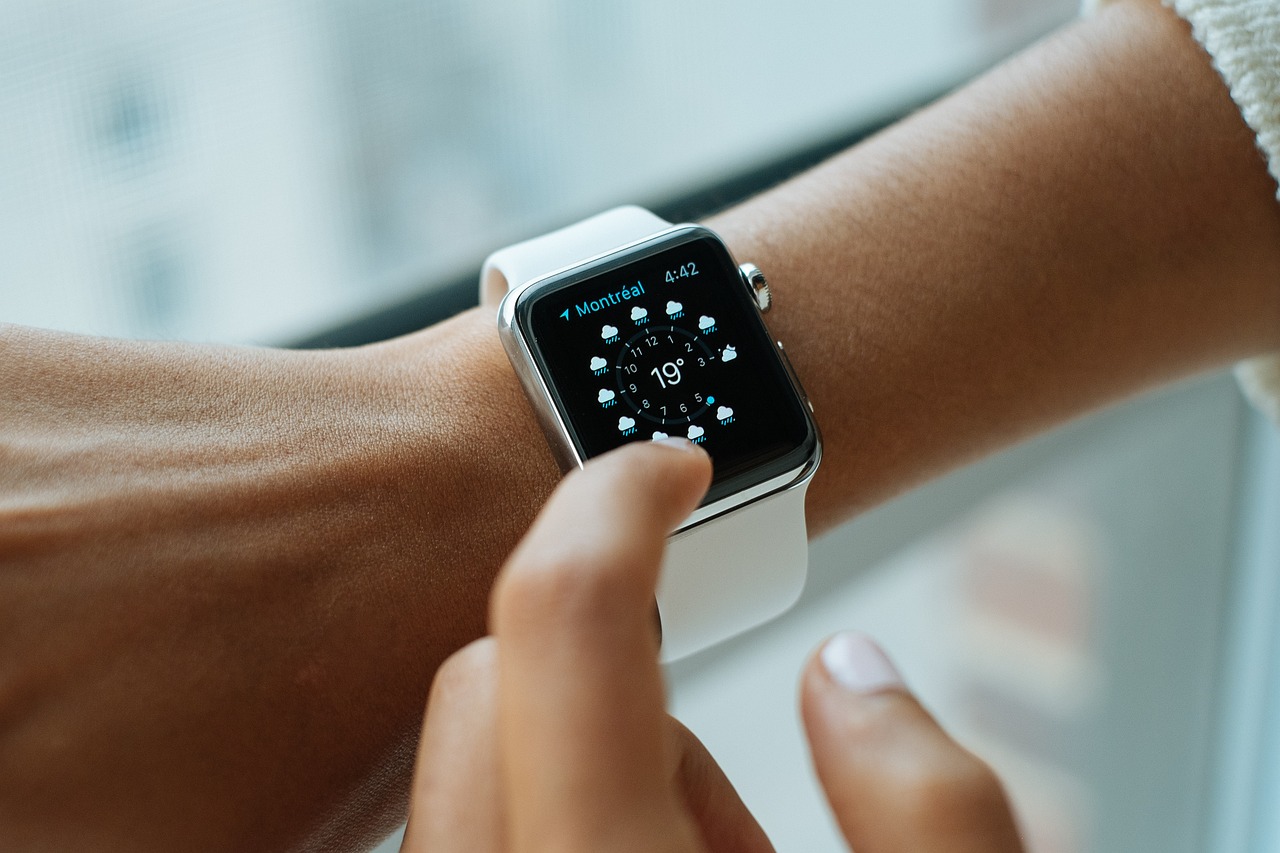
The time is changing, and so is the way we look at our wrists. Gone are the days when luxury watches like Rolex were the only symbol of sophistication and prestige. Now, we see a surge in the popularity of smart devices such as Apple Watches and Samsung Galaxy Watches.
But does this mean the classic timepiece is taking its final bow? While chronograph aficionados and quartz watch enthusiasts may wonder, “Will these tech-savvy devices replace traditional watches?” the question remains open for debate.
Which one should you buy? Let’s take a closer look at the intricacies of each, diving into a world where tradition meets innovation.
What Is Traditional Watch?
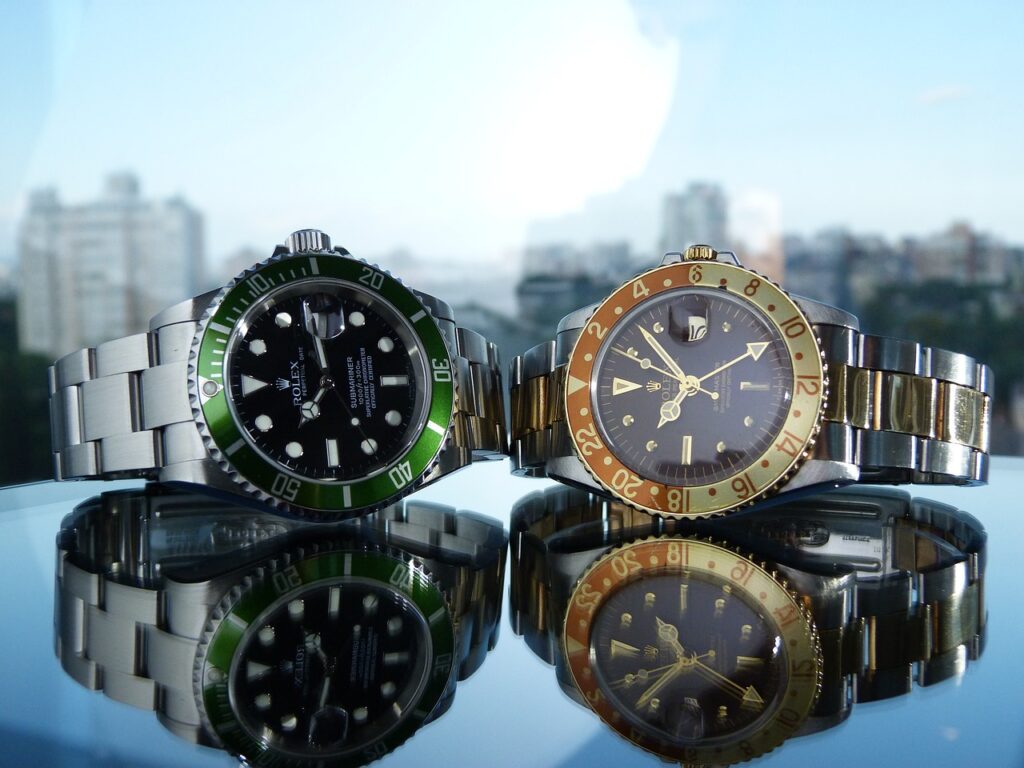
A traditional watch is typically characterized by its analog dial, complete with hour and minute hands that gracefully dance around a set time scale. These timeless apparatuses have been the centennial companions for many, exuding a classic look with their meticulous craftsmanship.
The origins of high-end traditional watches can be traced back to 15th-century Europe when portable spring-driven clocks emerged. Watches morphed into personal style statements and precision tools in the 16th century, finding their roots in cities like Nuremberg and Augsburg.
Fast forward to today, brands like Omega, Patek Philippe, Rolex, Breitling, and TAG Heuer represent the pinnacle of the watchmaking world, often incorporating quartz movement for its reliability and precision.
These watches not just tell time; they narrate history, embody function, and cater to various styles, from the quintessential aviator timepieces to the sturdy diver watches, all while keeping the Swiss watch heritage alive.
Read related article: Audemars Piguet vs Rolex: Which is Better?
Wath Is a Smartwatch?
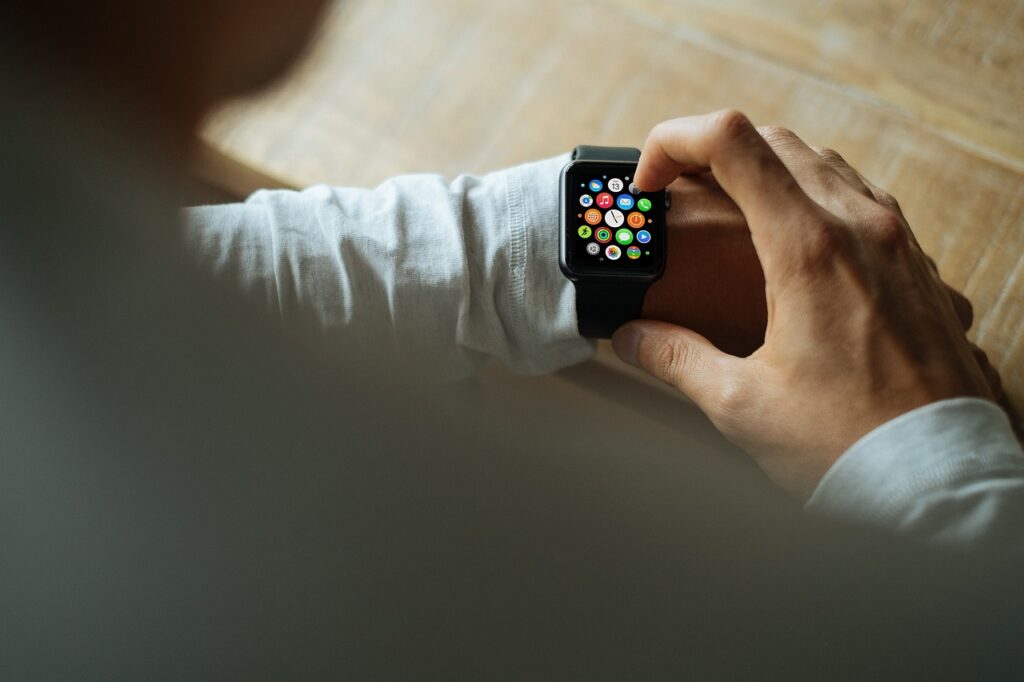
Being a digitalized world, the wristwatch has evolved beyond merely telling time. It’s now become an extension of our smartphones, reflecting a seamless interaction with the digital ecosystem. A smartwatch goes beyond traditional timekeeping with functionality that allows users to transmit and receive messages and notifications, similar to a mobile device.
With each new model smartwatch that hits the market every year, one can expect a fresh wave of software updates and design enhancements—from strap styles to cases—catering to every generation’s need for fitness tracking and premium aesthetics.
The first seeds of smartwatches can be traced back to the early 1970s, with timepieces such as the Hamilton Pulsar, released in 1972, marking a pivotal moment when computers shrank enough to be worn on the wrist.
Another forerunner, such as the Calcron calculator watch, boasted features like a nine-digit display, allowing wearers to interact with an increasingly digital world.
Is Traditional Watch Better Than Smartwatch?
So, which one is better? The answer is not a simple one; it feeds into the heart of what an individual values and needs. For collectors, a traditional watch, like Rolex that appreciate in value over time, is not just a timepiece but an investment.
These watches have a history in the watch market and are often regarded as heirloom pieces that can be passed down through generations. Their craftsmanship is exquisite, with many pieces considered works of art, and some models become more valuable over time due to their rarity and demand.
On the other hand, smartwatches are a reflection of the fast fashion of the tech industry, with each generation of devices designed to complement a smartphone. They’re affordable and valuable for those looking to maximize functionality.
While they may not last longer than traditional watches, the convenience of not having to just charge them but to also connect anywhere and receive notifications is a significant advantage. They are treated as wearable extensions of our digital selves, reliable companions that go beyond helping to check the time; they’re about staying interconnected.
Ultimately, the decision rests on personal preference. For the fitness enthusiast not particularly looking for a high-end timepiece, a smartwatch might be the perfect accessory, adding not just functionality but also a fashion statement to one’s total look.
Traditional watches, in contrast, are sought after by those who value longevity and the classic hallmark of a bygone era, appreciating that some things—like fine watchmaking—cannot be rushed or replaced by modern technology.
Read related article: What Is a Bezel on a Watch – A Comprehensive Guide
What Are the Advantages of Traditional Watches?
Both traditional watches and smartwatches have their unique advantages. Given that smartwatches lean more towards the digital side, traditional watches have several benefits that still make them a top choice for many:
- Craftsmanship and Design: Traditional watches are finely crafted by skilled artisans with impeccable attention to detail. There is something unique about owning a piece of history on your wrist.
- Tactile Experience: The feeling of winding the watch or hearing it tick away gives a tactile experience that cannot be replicated by smartwatches.
- Longevity: With proper care and maintenance, traditional watches can last for generations as cherished heirlooms.
- Value Appreciation: High-end traditional watches are often considered investments that appreciate in value over time, making them more than just a fashionable accessory.
Longevity of Mechanical Watches vs Electronic Smartwatches
Durability is one factor that buyers consider when deciding between a traditional luxury watch and a modern smartwatch. So, will smartwatches replace traditional watches? The answer leans towards no, especially when factoring in longevity.
A luxury, long-lasting watch is not just a time-telling device; it is an exclusive embodiment of artistry that, with proper care, can last a lifetime. Even without servicing, a well-crafted traditional watch can keep accurate time for over 20 years.
On the contrary, a smartwatch can have issues as early as 2 to 5 years of use, and one can expect them to slow down after about 3 years due to software updates and advancements in technology.
The beautiful watch faces and bands of classic timepieces carry an enduring appeal that does not become obsolete with the passage of time, unlike the technology-dependent smartwatches.
Closing Thoughts
Both having their unique appeal and functionality, traditional watches and smartwatches are equally valuable in today’s world. Whether it’s a classic timepiece or a modern smartwatch, the ultimate decision depends on personal preference and needs.
While traditional watches continue to represent the epitome of luxury with their craftsmanship and value appreciation, smartwatches offer convenience and technological advancements that cater to the fast-paced lifestyle of the modern world.
Leave a Reply