

Many watch newbies find themselves at a crossroads when it comes to choosing between mechanical and automatic watches. As soon as you step into the world of timepieces, the term ‘watch movement’ becomes crucial.
It’s the heart of the watch, dictating its functionality and precision. Renowned watch brands proudly showcase their expertise in creating both types of movements. Understanding the basics of mechanical and automatic watches is key to appreciating their craftsmanship.
These watches do more than just tell time; they tell a story of heritage and innovation. Let’s dive in and unravel the workings of these exquisite timekeepers.
Read related article: How to Maintain an Automatic Watch
History of Mechanical Watches
Mechanical watches may seem like a remnant of the past to the uninitiated, but to watch enthusiasts, they are a pinnacle of traditional craftsmanship. The mechanical movement is a fascinating orchestra of mechanical parts, including gears and springs, that work in harmony to measure the passage of time.
The genesis of the mechanical watch movement can be traced to spring-powered clocks, which appeared in the 15th century. These timekeeping devices laid the groundwork for wristwatches that evolved in Europe in the 17th century.
Unlike their digital or quartz counterparts, mechanical watches require a level of engagement from the wearer. They typically need to be wound manually to keep the movement active. This intimate interaction between the watch and the owner is revered by collectors and aficionados who appreciate the skill and precision involved in their manufacture.
Despite the advent of more modern timekeeping technologies, the allure of mechanical watches has endured. The timeless appeal and the tactile satisfaction of winding a watch are significant aspects of what draws enthusiasts to these intricate devices.
As pieces of wearable art, they serve not only a functional purpose but also a testament to human ingenuity and a bygone era of mechanics.
History of Automatic Watches
The invention of the automatic watch marks a significant milestone in the evolution of timekeeping technology. The creation of the very first automatic timepiece with self-winding capabilities dates back to the 1770s. Abraham-Louis Perrelet, an innovative clockmaker in Switzerland, crafted the nascent automatic movement by ingeniously using a side weight that would wind the watch as the wearer moved.
Despite the skepticism of some who dismissed his creation as too expensive and far too complex, Perrelet’s invention laid the foundation for what would become a mainstay in the world of horology. Automatic watches are also known for their convenience, as they eliminate the need for daily manual winding by harnessing the energy from the natural motion of the wearer’s wrist.
Watches with automatic movements quickly gained popularity, evolving through the years to become more reliable and affordable.
One automatic watch that left a lasting mark in the history of watchmaking was introduced by Rolex in 1931, which featured a perpetual rotor—an innovation that significantly advanced the efficiency of the self-winding mechanism.
Today, automatic watches are celebrated for their blend of classic design, mechanical ingenuity, and user-friendly features, establishing themselves as a favorite among watch collectors and enthusiasts alike.
Read related article: How to Wind an Automatic Watch
Automatic vs Mechanical Watches: How Do They Work?
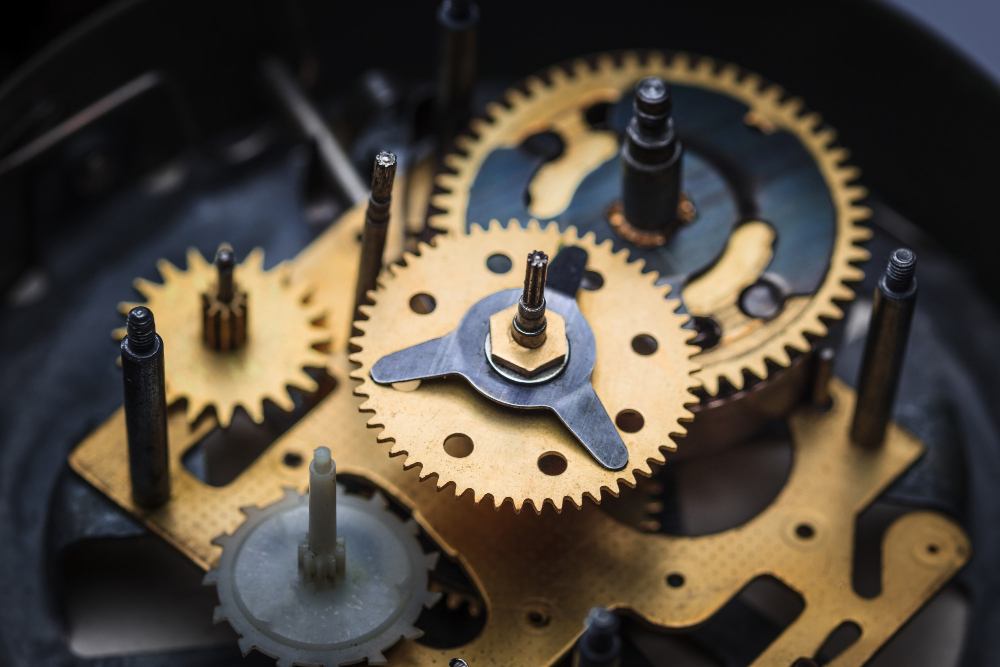
Both automatic and mechanical watches are considered the epitome of watchmaking partisanship; a type of watch movement that reflects a legacy of precision engineering. A mechanical timepiece tends to be manually wound by the wearer.
The act of winding tightens the mainspring, which then gradually unwinds to release energy. This energy powers the watch’s gears and ultimately moves the hands.
Key Differences Between the Two Types
Unlike quartz movement or quartz watches, which rely on battery power and electrical pulses to function, both automatic and mechanical watches operate through a series of meticulously assembled mechanical parts. They make the watch tick, quite literally, in a beautiful display of technical prowess.
One of the main differences between mechanical and automatic watches is the method of winding. Manually wound watches require the wearer to wind the crown at regular intervals to maintain the powers of the watch.
On the other hand, automatic watches harness the kinetic energy from the natural motion of the wearer’s wrist to wind the mainspring. This feature offers the convenience of not needing to manually wind the watch daily, as long as it’s worn regularly enough to keep it charged.
Mechanical and Automatic Watches in the Modern Age
In an age where time is omnipresent on various digital devices, both types of watches offer a tactile and visual pleasure that goes beyond their primary function. For collectors and aficionados, the choice between an automatic or mechanical timepiece is often one of personal preference and lifestyle.
Each type of watch movement has its admirers and stands as a testament to the intricate craftsmanship that has advanced over centuries but remains grounded in its original mechanical heritage.
Factors When Choosing Automatic and Manual Watch

Durability and Longevity
If you find yourself in the market for a luxury watch, considering the durability and longevity of the two types of watch movement is crucial. These watches are often seen as lifetime investments, and how the mechanism powers the watch can influence their enduring performance.
Mechanical, hand wound watches may have fewer parts susceptible to wear and tear than their automatic counterparts due to the absence of rotor-related movements. However, this also means that manual-wind watches require a consistent routine to watch and keep them running efficiently.
Maintenance Requirements
The maintenance of a luxury watch is pivotal for its functionality and longevity. Manual-wind watches, while steeped in tradition, necessitate regular winding by the owner—an action that fosters a unique bond between the timepiece and the wearer. The ritual of winding also ensures that the watch’s gears and springs maintain their tension and efficacy.
Automatic watches, however, tend to require less frequent interaction, as the natural movements of the wearer’s wrist will typically keep the watch wound and time-accurate. Nevertheless, if these watches are not worn regularly, they may still need manual winding or a watch winder to maintain their power reserve.
Aesthetic and Design Preferences
For many enthusiasts, the aesthetics of these timekeeping marvels play a significant role in the selection process. Watches tend to express personal style, and the choice between an automatic or mechanical movement might influence the watch design.
Mechanical watches might exhibit a more classical and artisanal appearance, attributing to their heritage, while automatic watches can feature more contemporary designs that showcase their advanced mechanics, like see-through case backs where the movement is visible.
Lifestyle Considerations
Your lifestyle is a relevant factor when choosing between an automatic and a manual-wind watch. Automatic watches are highly suited for individuals with active lifestyles who can keep the watch sufficiently powered through daily motion.
In contrast, manual-wind watches may appeal more to those who cherish the daily ritual of winding their watch and have the time to dedicate to this practice. Selecting the type that aligns with your daily routine can enhance your overall experience with the timepiece.
Closing Thoughts
The decision between an automatic or mechanical watch ultimately boils down to personal preference and lifestyle. Both types of movements boast exceptional engineering, with each having its unique benefits and charm.
Whether it’s the traditional craftsmanship of a manual-wind watch or the convenience of an automatic movement that speaks to you, both will undoubtedly continue to stand the test of time in the world of luxurious timepieces.
Leave a Reply